
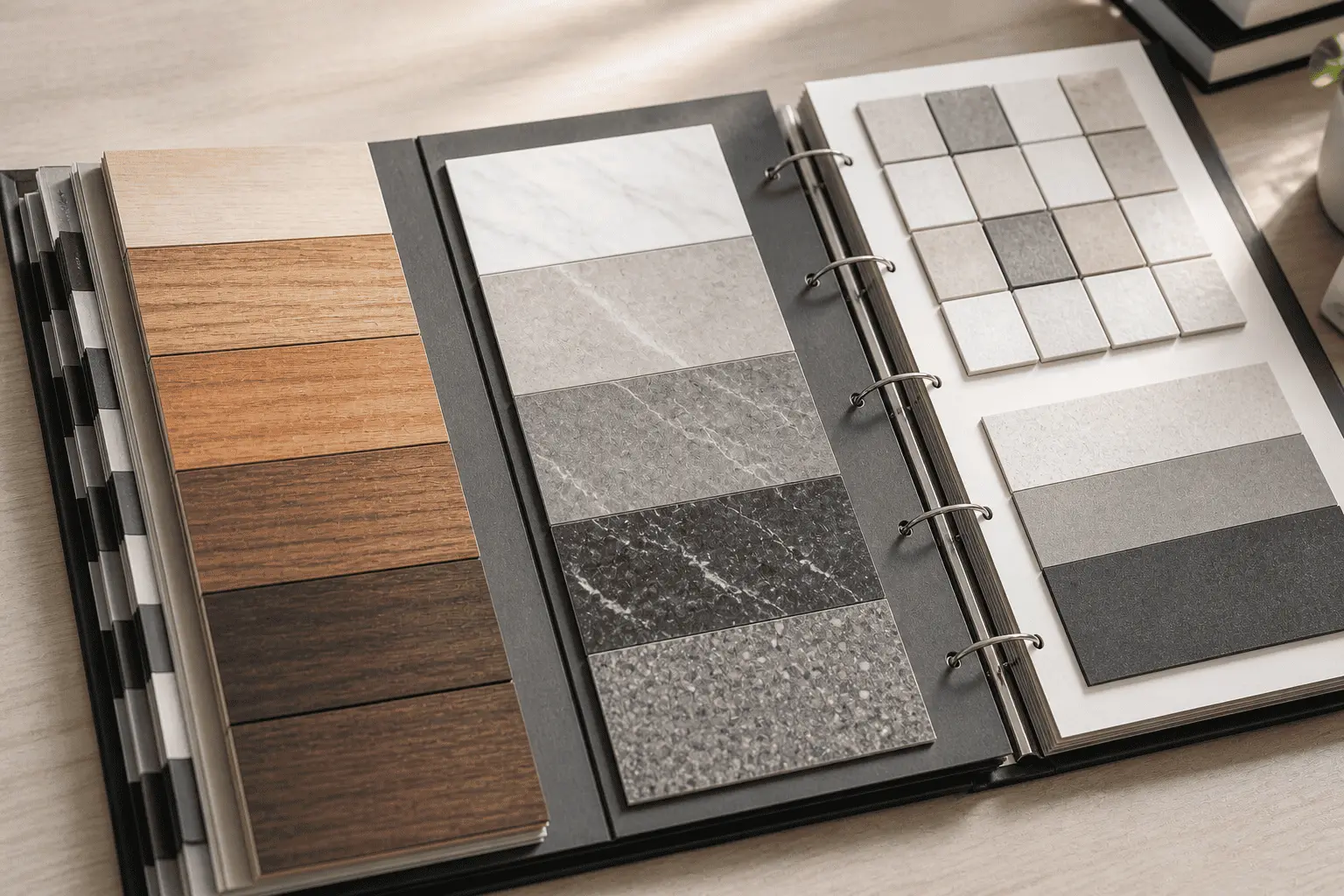
Aluminium vs Wood Kitchen Cabinet: Which Is Right for Your Malaysian Kitchen?
Choosing between aluminium and wood-based kitchen cabinets usually comes down to one question: how much moisture will this cabinet face? Malaysia’s humid climate, wet-kitchen habits, and termite risk make this a bigger factor here than in many other markets.
This guide compares aluminium against solid wood, plywood, and laminate-finished cabinetry across cost, moisture resistance, termite risk, maintenance, and design flexibility, so you can decide which material fits which part of your kitchen.
Quick guide: aluminium wins on moisture and termite resistance, wood-based cabinets win on warmth and design flexibility. Many Malaysian homes use both — aluminium in the wet kitchen, wood-based cabinetry in the dry kitchen.
Why This Comparison Matters in Malaysia
Malaysia's humid climate makes cabinet material choice more consequential than in drier countries. Wet-kitchen habits — heavy cooking, frequent washing, and splash-prone sink zones — expose cabinets to moisture daily, while ground-floor landed homes carry an ongoing termite risk that mainly affects wood-based boards.
The core trade-off: aluminium is close to moisture-proof and low-maintenance but has a more industrial look and fewer finish options. Wood-based cabinets (solid wood, plywood, laminate) look warmer and offer more design flexibility, but need proper sealing and care in wet areas.
Aluminium Kitchen Cabinets
Aluminium cabinets use aluminium body panels, frames, or full carcass systems instead of wood-based boards. They are commonly chosen for wet kitchens, sink zones, and heavy-use households.
Water and termite resistance
Resists swelling and pest damage far better than wood-based boards, making it a strong fit for sink zones and rear wet kitchens.
Low maintenance
Less cleaning and repair worry over time compared with many wood-based cabinet systems in high-moisture zones.
Design trade-off
Fewer warm finishes and decorative profiles compared with laminate, veneer, or solid wood cabinetry.
For fuller pricing and carcass details, see the aluminium kitchen cabinet Malaysia guide.
Wood-Based Kitchen Cabinets
"Wood-based" covers three common tiers in Malaysian kitchens, each with a different balance of cost, durability, and finish quality.
Solid wood
Premium tier with the warmest look and most decorative profiles, but needs sealing and moisture care and carries the most termite exposure.
Plywood
Mid-range tier and the most common carcass choice — reasonable moisture resistance when properly sealed and edged, with good structural strength.
Laminate-finish
Budget-friendly tier with the widest colour and finish range. Moisture resistance depends mostly on the substrate underneath, not the laminate surface itself.
Compare each tier in more detail: wood kitchen cabinets, plywood kitchen cabinets, and laminate kitchen cabinets.
Aluminium vs Wood-Based Cabinets: Head-to-Head
A side-by-side view of how aluminium compares with wood-based cabinetry as a category (solid wood, plywood, and laminate together).
| Factor | Aluminium | Wood-Based (Solid Wood / Plywood / Laminate) |
|---|---|---|
| Moisture / wet-kitchen resistance | Excellent | Moderate — varies by tier and sealing quality |
| Termite risk | None | Present, mainly for solid wood and untreated boards |
| Typical cost range | Medium–high per foot | Wide range — budget (laminate) to premium (solid wood) |
| Maintenance | Low | Moderate — depends on sealing, edging, and moisture exposure |
| Finish and design flexibility | Moderate | High — widest range of colours, textures, and profiles |
| Best suited for | Wet kitchen, sink zones, heavy-use cooking areas | Dry kitchen, display areas, low-moisture zones |
Which One for Wet vs Dry Kitchens?
Many Malaysian homes split the kitchen into a wet kitchen for daily cooking and a dry kitchen for display and entertaining. This split often decides the material choice more than personal preference alone.
A common approach: aluminium in the wet kitchen where splashes, steam, and heavy cooking happen daily, and solid wood, plywood, or laminate cabinetry in the dry kitchen where appearance and entertaining matter more than water exposure.
On price, our 2026 contractor pricing study found aluminium base cabinets only about 5% dearer than laminated plywood at the median (RM5,250 vs RM5,000 for a 10 ft run).
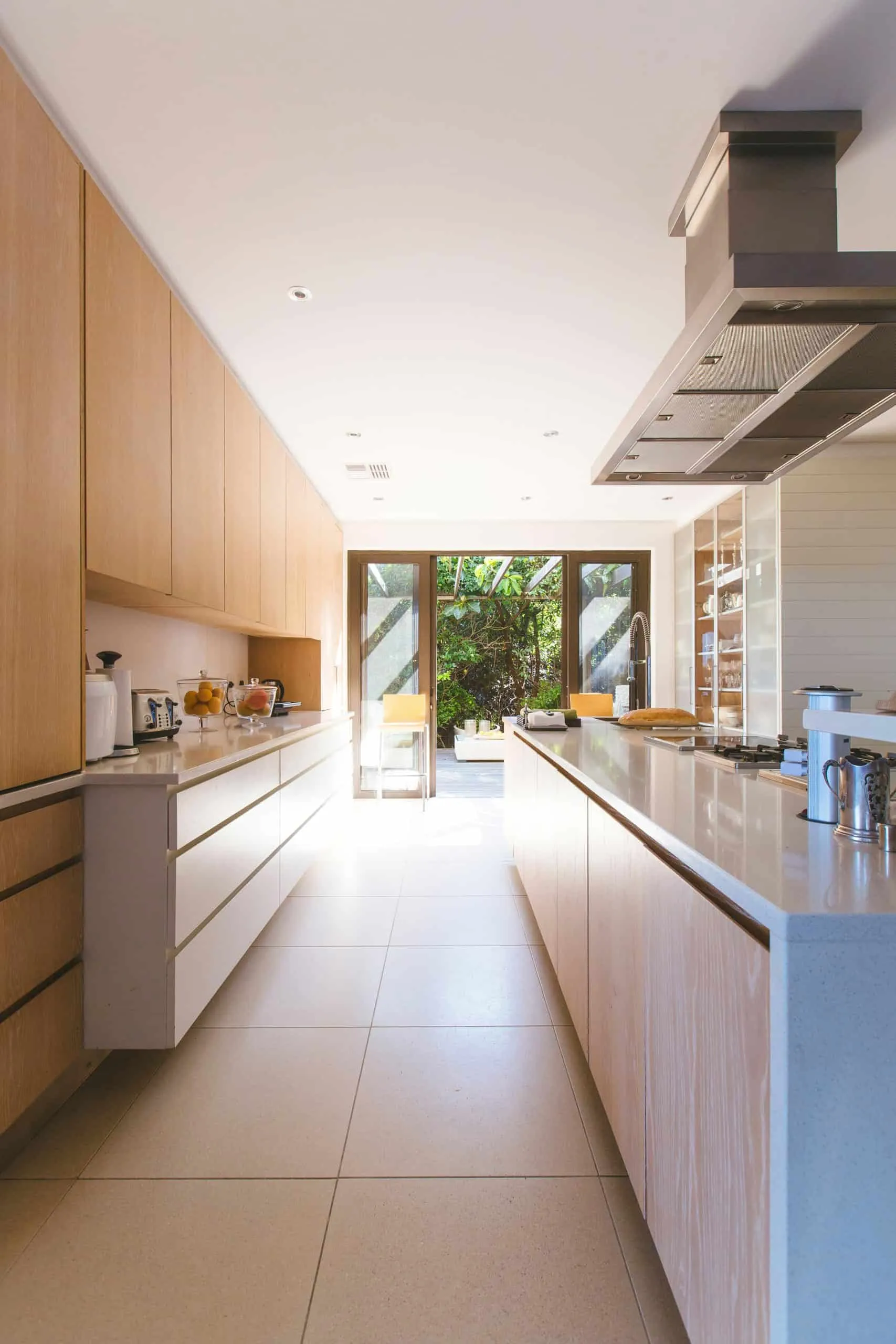
Mixing materials is normal, not a compromise
Many kitchens use one material near the sink and hob and a different one for dry storage — the split usually follows water exposure, not a single all-or-nothing choice.
Cost Comparison at a Glance
Cabinet pricing depends heavily on hardware, finish quality, and accessories, not just the base material. These are rough planning directions, not fixed quotations.
Laminate-finish
The most budget-friendly starting point, with the widest colour and finish range.
Plywood
Mid-range cost with reasonable durability, the most common carcass choice overall.
Aluminium
Medium–high cost, priced for moisture resistance and low maintenance rather than decorative range.
Solid wood
The premium tier, priced for the warmest look and most decorative detail.
For full budget ranges by linear foot, see kitchen cabinet cost Malaysia and kitchen cabinet price per foot. For layout ideas across both materials, see our kitchen cabinet design guide.
Common Mistakes When Choosing Between Aluminium and Wood
Most regrets come from choosing a material based on looks alone, without checking how it holds up in the specific zone it will sit in.
Choosing purely on looks
A finish that looks premium in a showroom may not suit a heavy-use wet kitchen.
Ignoring termite risk
Ground-floor landed homes should factor in termite exposure before committing to solid wood.
Poorly sealed plywood edges
Unsealed or poorly edged plywood lets moisture in at the seams, undermining its otherwise reasonable resistance.
Assuming laminate is waterproof
A laminate surface is not inherently waterproof — resistance depends on the board underneath it.
Aluminium vs Wood Kitchen Cabinet FAQs
Is aluminium or wood better for Malaysian kitchens?
Neither is universally better. Aluminium usually wins on moisture and termite resistance, making it a common choice for wet kitchens, while wood-based cabinets (solid wood, plywood, or laminate) usually win on warmth of finish and design flexibility, making them a common choice for dry kitchens.
Which material is more moisture-resistant?
Aluminium is more moisture-resistant than any wood-based option. Plywood with proper sealing and edging holds up reasonably well in occasional-splash areas, but solid wood and laminate-finished boards are more vulnerable to swelling near sinks, floor traps, and heavy cooking zones.
Is wood cabinetry a termite risk in Malaysia?
Solid wood and other wood-based boards can be at risk of termite damage in Malaysia’s climate, especially in ground-floor landed homes. Aluminium does not carry this risk, which is one reason it is often used in wet or rear kitchens even when the rest of the kitchen uses wood-based cabinetry.
What's the cost difference between aluminium and wood cabinets?
Aluminium systems often start higher per foot than basic plywood or laminate cabinetry, but the gap narrows once hardware, finish quality, and accessories are factored in. See the kitchen cabinet cost Malaysia and kitchen cabinet price per foot guides for fuller budget ranges.
Can I mix aluminium and wood cabinets in one kitchen?
Yes, this is a common approach in Malaysian homes. Aluminium is often used in the wet kitchen or rear cooking zone, while solid wood, plywood, or laminate cabinetry is used in the dry kitchen or display area where appearance matters more than water exposure.
Which lasts longer in humid conditions?
Aluminium cabinet structures generally hold up better in humid, high-moisture conditions than wood-based boards, since they do not swell or attract termites. Wood-based cabinets can last just as long in dry kitchens where moisture exposure is minimal and boards are properly sealed.
Not Sure Which Cabinet Material Fits Your Kitchen?
Share your kitchen photos, wet or dry kitchen split, and budget range. We'll help you work out where aluminium makes sense and where wood-based cabinetry is the better fit.